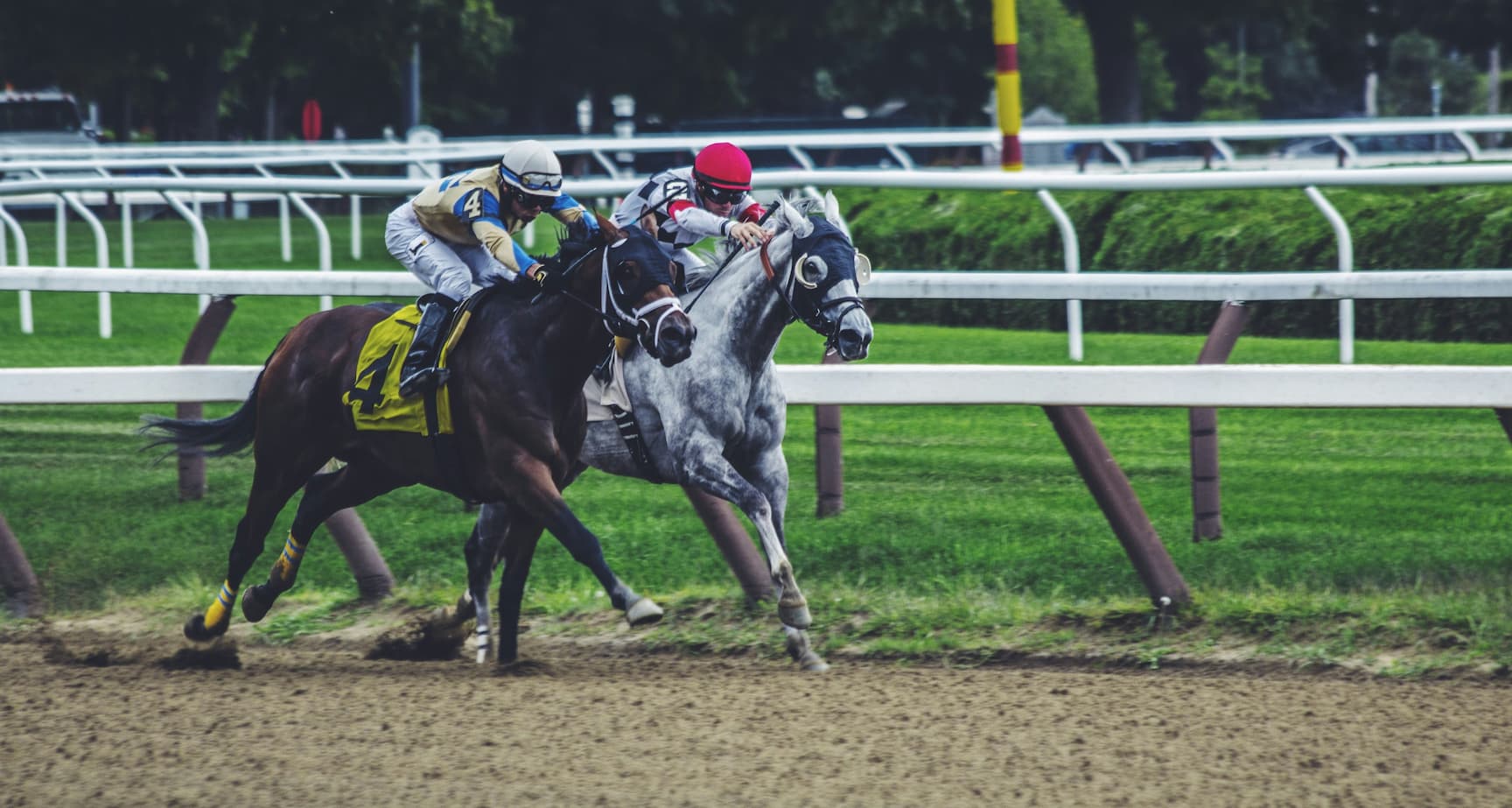
In betting, whether on sites like 22Bet or at local casinos, money isn’t the only risk. Your self-control and sanity are also on the line. Many people begin gambling as a harmless form of leisure, a method to relax or get a little thrill. A small delight has the potential to gradually transform into something much more sinister, a storm you never intended to enter. One day, there’s innocent enthusiasm. The next, restless nights follow. Debt grows, and a heavy shame stays with you everywhere. Stopping isn’t the same as quitting; if it were, nobody would be stuck. It requires a strength you probably don’t even realize you have yet, as well as unvarnished honesty with yourself—the type that stings at first. More importantly, you need individuals who tell you that you are not damaged, lost, and capable of returning.
The Money Factor
Money intensifies everything. A £1,000 loss may not bother a millionaire. But for someone unemployed or struggling to pay rent, it could be a disaster. The emotional impact of gambling is directly tied to one’s financial reality. Modern technology lets anyone find betting options in seconds. You can use mobile apps or online platforms. What once required walking into a casino can now happen in a few taps on a screen.
This easy access gives gambling a risky allure. It creates a false sense of bravery and heroism. Risk is romanticized by many players, who see it as a sign of bravery or self-reliance. This illusion is aptly captured by Rudyard Kipling’s well-known quote, “If you can make one heap of all your wins and stake them on one turn of pitch and toss….” Yet, most gamblers in real life don’t come out brave or honorable. They end up not brave, but broken — burdened by debt, guilt, and shattered trust.
The Addict’s Mindset
At its core, gambling addiction is about emotion, not money. Problem gamblers pursue pleasure in unhealthy ways. They love the thrill of waiting, wish for control, and want to escape reality. Even losing can become addictive because of the intensity it produces. Their minds become wired to crave the high of risk more than the outcome itself.
The biggest mistake is thinking the next win will fix everything. You can’t make up your losses with another lucky spin, wager, or card. This cycle of hope, disappointment, and increasing desperation is what gamblers are caught in. They have no desire for money. They look for emotional equilibrium. They numb their stress, anxiety, or sadness by gambling. The respite is temporary, though, since the next fall gets worse every time.
Immaturity and Denial

Emotional immaturity often fuels addiction. Many problem gamblers think of themselves as clever risk-takers. They feel suave, like movie heroes who gamble with fate. They chase excitement like kids in an amusement park. They want instant fun but don’t think about the consequences.
Denial deepens the trap. Addicts hide their debts and make excuses for their losses. They think a big jackpot will fix everything. They tell themselves they’re one win away from turning it all around. Like other addictions, gambling clouds logic with fantasy. The gambler’s mind becomes a battlefield between reality and illusion, responsibility and escape. Recognizing denial is the first and hardest step toward change.
The Road to Recovery
Recovery also demands practical steps. Shut down your credit cards. Keep yourself away from gambling sites and casinos. Assign your financial management to a reliable individual. The Twelve Steps and other programs emphasize being open, honest, and flexible. True courage, as many recovery centers like Smarmore Castle say, isn’t about taking big risks again. The ability to stop is crucial.
Relapse can happen, but it doesn’t erase progress. Every attempt to regain control strengthens resilience. Support groups, family support, and expert help can keep you strong. They help you avoid setbacks.
Conclusion
Avoiding risk isn’t the key to overcoming a gambling addiction. It’s about regaining authority. When used properly, sites like 22Bet may be entertaining. But keep in mind that they shouldn’t control your feelings or determine your sense of value. When people exchange delusion for reality, imagination for consciousness, and reliance for self-control, the road to recovery begins.